

THE PHOENIX HOUSE
Hope built, Potential uncovered, Futures reclaimed
The Phoenix House is a small, six-bed therapeutic group home serving young men ages 14-17 who struggle with behavioral health and developmental challenges. Our youth require substantial support and supervision with a strengths-based, trauma-informed approach to care as they navigate the transition to adulthood. We focus on personal accountability and decision-making, immersive community integration, and competency-based skill development.
The Phoenix House is a place to:
Discover inner strength
Build mutually trusting relationships
Become the architect of your own future
Find safety and nurturing
Experience healing through connection, consistency, and purpose
At The Phoenix House, youth will:
Learn to steady themselves
Recognize their strengths
Identify where they need support
Practice the skills that make adulthood feel within reach
Create meaningful social connections within and outside of a therapeutic setting
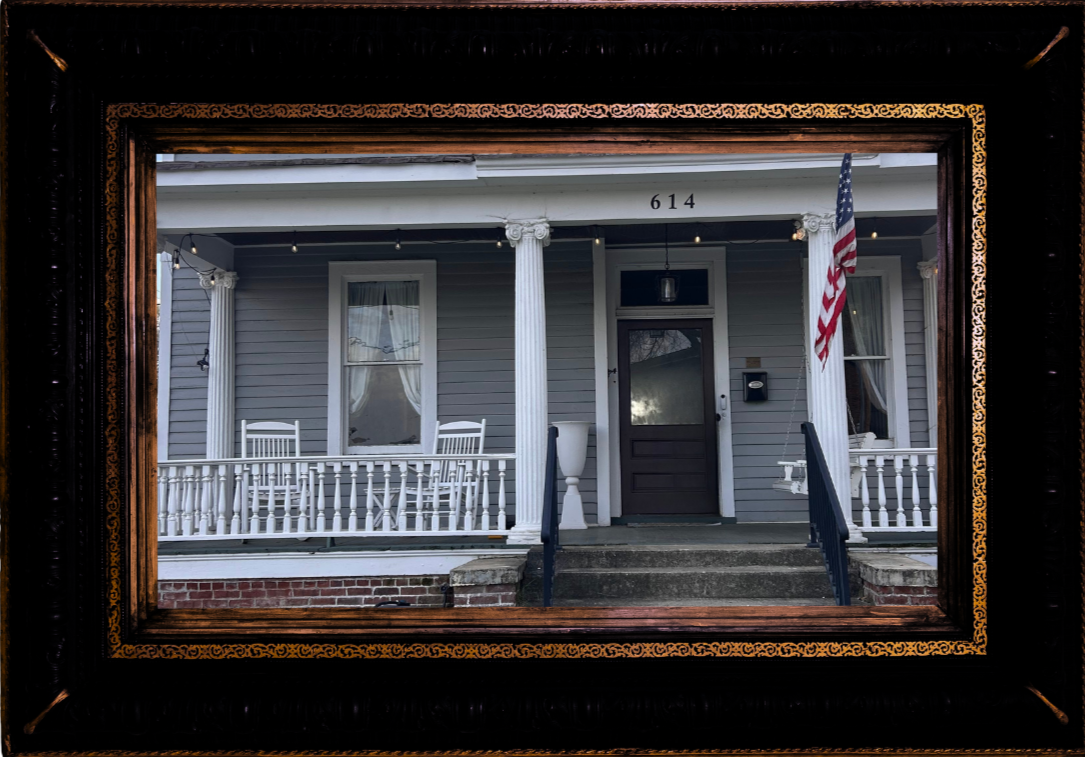
Coming Soon!! ..................... Male, adolescent therapeutic group home for transitional aged youth with behavioral health and developmental needs ....................... We welcome conversations for pre-referrals & admission ................... Launch is expected in early 2027 .................... Reach out for more information at (434) 713-5972 .......................... Four slots will be available for our initial cohort ....................
Coming Soon!! ..................... Male, adolescent therapeutic group home for transitional aged youth with behavioral health and developmental needs ....................... We welcome conversations for pre-referrals & admission ................... Launch is expected in early 2027 .................... Reach out for more information at (434) 713-5972 .......................... Four slots will be available for our initial cohort ....................
Youth begin to see their own potential — not as an abstract idea, but as something they can touch, shape, and grow.
This is accomplished with intention through:
Immersive community experiences
Supportive adult relationships focused on connection and choice— not control
Intentional life-skills, vocational, and interpersonal interventions designed to navigate and manage discomfort—not eliminate it.